You spend months preparing the soil in your backyard garden. You walk outside expecting a handful of red strawberries and find a hollowed-out berry instead. Another has a neat beak mark. The best berry in the entire row, the one you saved for a child or your morning cereal, is gone except for the green cap.
Birds do not wait until the whole patch is ripe. They find the first blush of color and sample several berries. This leaves you with fruit that cannot be eaten, sold, or enjoyed. A strawberry patch can look promising for weeks and then lose its best fruit in just a few mornings.
This problem is very common in American home gardens because strawberries grow low to the ground. They ripen visibly and sit right in the open. A raised bed beside a patio, a strip along a fence, or a small backyard row is easy for robins, sparrows, and blackbirds to scout. Once hungry visitors learn where the fruit is, they tend to return. To protect your harvest, you need a physical strategy that addresses bird behavior directly.
Confirm the Real Pests in Your Garden
Before you build garden defenses, check the physical damage. Bird-pecked strawberries often show shallow holes, missing tips, or torn red flesh. The green cap usually remains attached to the stem. You may see droppings nearby or notice birds hopping between your rows. Bird damage is usually concentrated directly on the reddest fruit.
Look at the timing of the damage. If berries are dragged away completely, chewed from below, or disappear overnight, you are likely dealing with squirrels, chipmunks, or rodents. Solutions can overlap, but your physical setup needs to match the actual pest.
Practical Steps to Protect Your Strawberries
Harvest Aggressively and Clean the Bed
The first practical move is to harvest aggressively. Do not leave fully red berries hanging for another day just because you want a bigger bowl. Pick your ripe berries every morning if possible. Check the patch again in the evening during peak ripening times.
Remove damaged fruit immediately. Half-eaten berries attract insects and encourage rot. They also act as visual advertisements that tell wildlife your patch is an easy meal. Cleaning the bed removes the visual trigger that brings wildlife into your yard.
Keep the Patch Organized and Dry
Make the patch less inviting to visitors. Keep the berries lifted off wet soil. Use straw, mulch, or clean plant supports so you can see what is ripening clearly.
Trim any runners that make the bed too dense. A tangled patch gives birds more places to land securely. It also makes it harder for you to spot the fruit before the birds do. Good airflow helps the berries dry out after a rainstorm or heavy irrigation. This matters greatly once you add a protective cover over the plants.
Relocate Bird Attractions
Evaluate your yard layout. If your strawberry patch sits beside a bird feeder or birdbath, move those items away from the fruit while the berries are coloring. You do not need to remove bird habitat entirely from your property. Just avoid placing food, water, or resting perches right beside the crop you are trying to save. Give the birds a reason to gather somewhere else in the morning before they notice your red berries.
The Limits of Visual Scare Tactics
Scare tactics offer short-term help. They are not enough by themselves to save a crop. Reflective tape, shiny pans, and fake predators may slow birds down in a small yard.
The issue is that birds observe their surroundings closely. If a shiny object never changes position, they learn that it is harmless. Move deterrents often and use them before the first serious damage occurs. Treat them as a backup method rather than your main defense.
How to Build a Reliable Netting System
For strawberries, a physical barrier is the most reliable solution. This barrier must sit above the plants rather than directly on the berries. Throwing netting flat across the patch seems quick. This approach creates two distinct problems. Birds can stand directly on loose netting and peck right through the holes. Ripe fruit also snags in the mesh when you lift the cover to harvest.
Elevate the Netting
A better setup gives the strawberries breathing room. Use short wooden stakes, wire hoops, or PVC pipes to raise the cover. Keep the net a few inches above the tallest leaves. The frame does not need to look fancy. It only needs to keep the net from touching the fruit and prevent the sides from sagging into the rows.
For a small raised bed, placing a few hoops across the width is usually enough. For a longer row in a backyard garden, repeat the supports evenly so the net stays lifted from end to end.
Anchor the Edges Securely
The edges matter just as much as the top of the frame. Birds are persistent scavengers. A loose corner is basically an open door. Pull the net snug across the hoops. Anchor the entire perimeter firmly with garden staples, heavy boards, stones, or soil.
Check the corners frequently, especially after heavy wind or lawn mowing. If you leave one opening near the ground, birds will walk under the net and feed comfortably from inside the protected area.
Plan for Easy Harvesting and Pollination
Make the harvesting process easy before you secure all the edges. The best bird protection is the one you can actually live with. Create one side that lifts easily like a flap. You can also overlap two sections of netting so you can reach in without tearing the whole setup apart. If accessing the bed becomes an annoying chore, you will delay picking the fruit. Delayed picking gives birds the exact advantage they are looking for.
Remember your flowers and pollinators. If your plants are still blooming heavily and the fruit has not set yet, leave room for bees to access the blossoms. You can uncover the bed during active flowering when bird pressure remains low. Once green berries form and begin showing color, tighten the protection.
A strawberry bed often has flowers, green fruit, and ripe fruit all at the same time. Perfection is not the goal. The objective is to protect the ripening fruit without trapping the plants in a damp, neglected environment.
Inspect the net every day. Look for sagging sections, trapped leaves, open gaps, and any wildlife that might have gotten caught. A safe netting setup is taut, highly visible, and lifted entirely off the crop. Shake off heavy water after a rainstorm if the cover starts drooping.
When harvest season ends, remove the netting carefully. Dry it completely, fold it, and store it out of direct sunlight. This keeps it ready for next year instead of becoming a tangled mess in your garage.
Products That Help Secure Your Crop
This is where Dalen products fit into your gardening routine without complicating the job.
Bird-X Protective Mesh Netting is a direct choice for a standard strawberry patch. It creates a reusable barrier between the birds and your ripening fruit. Sunlight and air still reach the plants easily. Use it with stakes or hoops so it rides above the berries, and secure the edges firmly into the dirt.
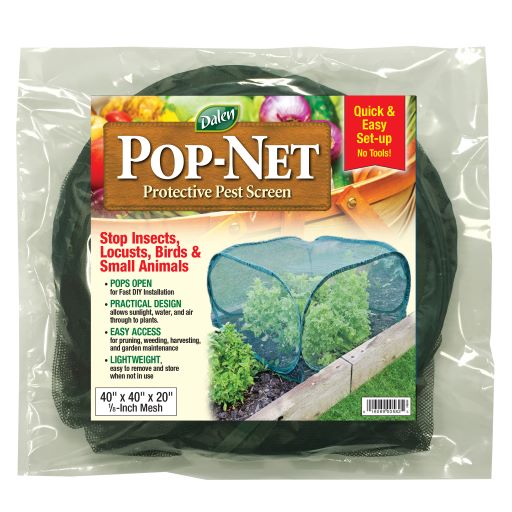
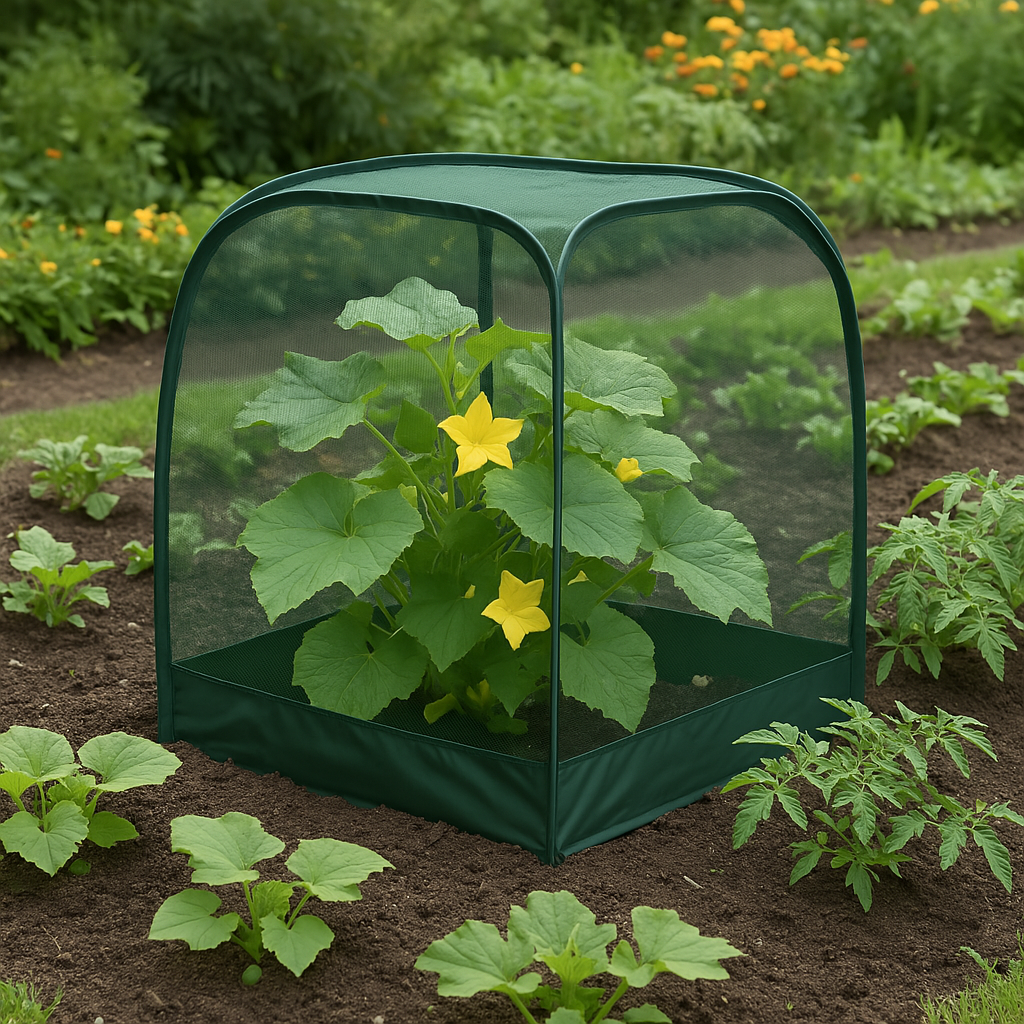
If you have a tiny patch, a group of containers, or a small square raised bed, the Pop-Net is a practical option. It gives you quick coverage without the need to build a full structural frame. You can lift it off entirely for picking or daily plant care. It works very well when the problem area is small and you need protection immediately rather than turning it into a weekend construction project.
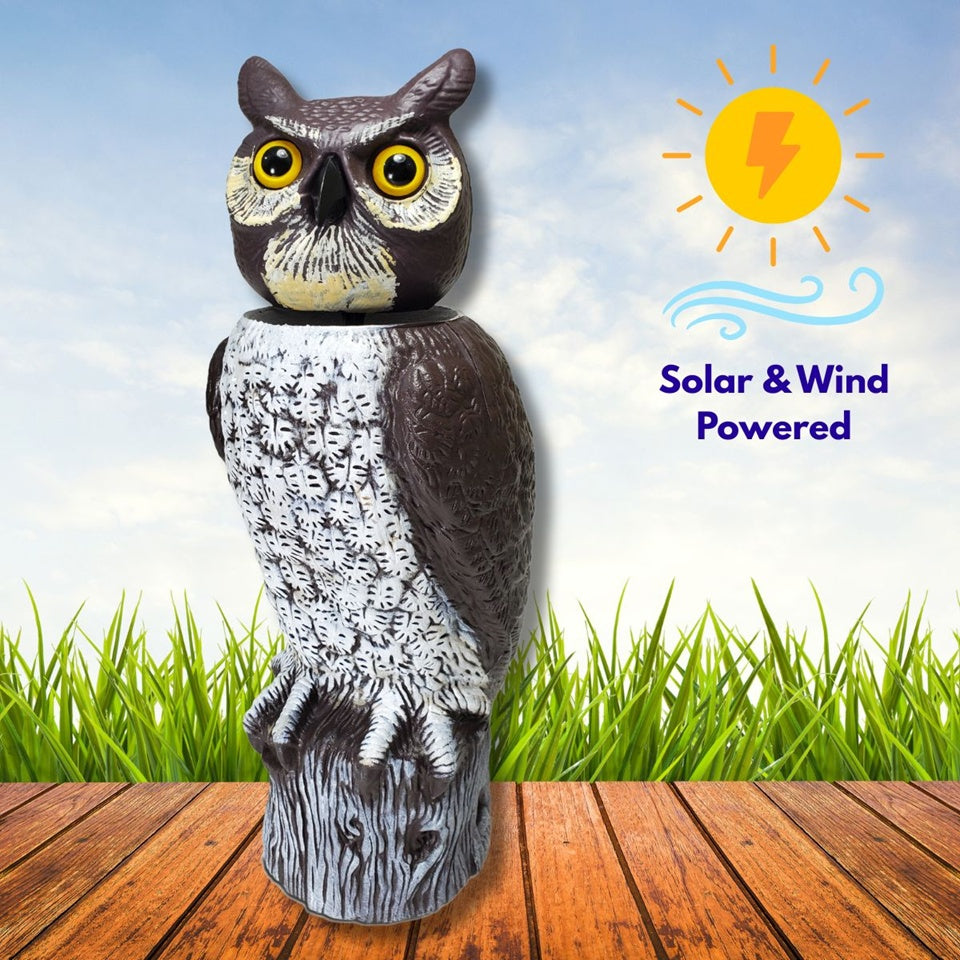
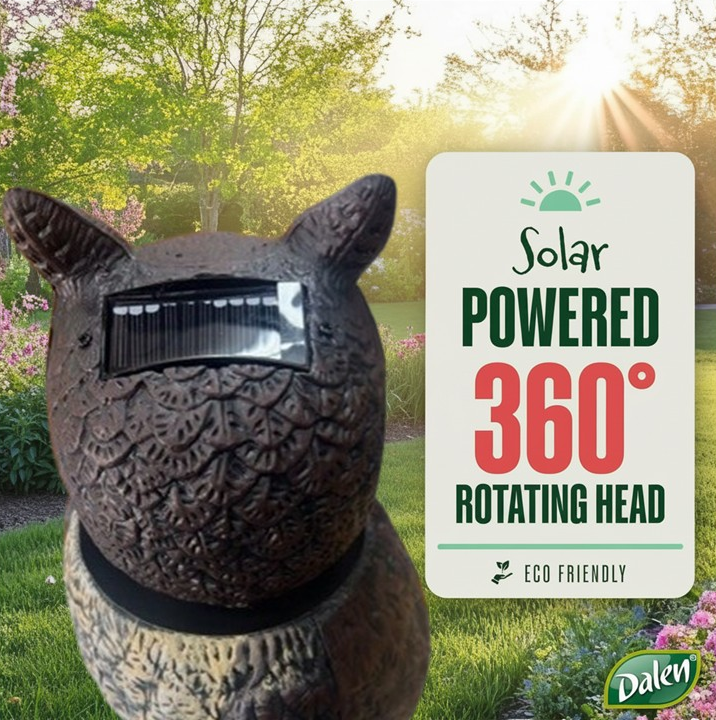
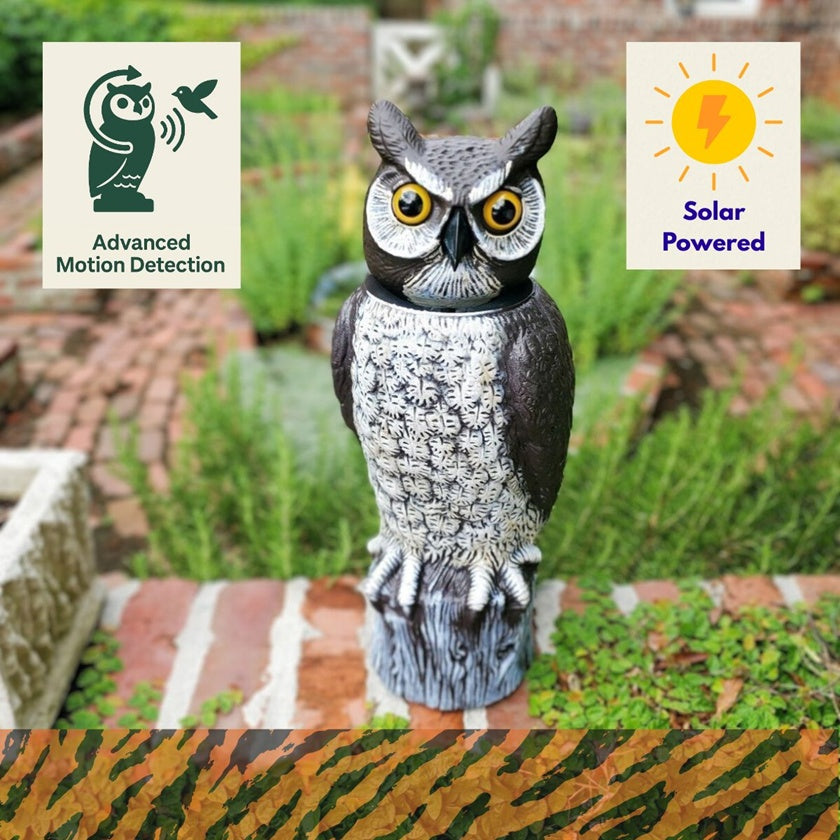
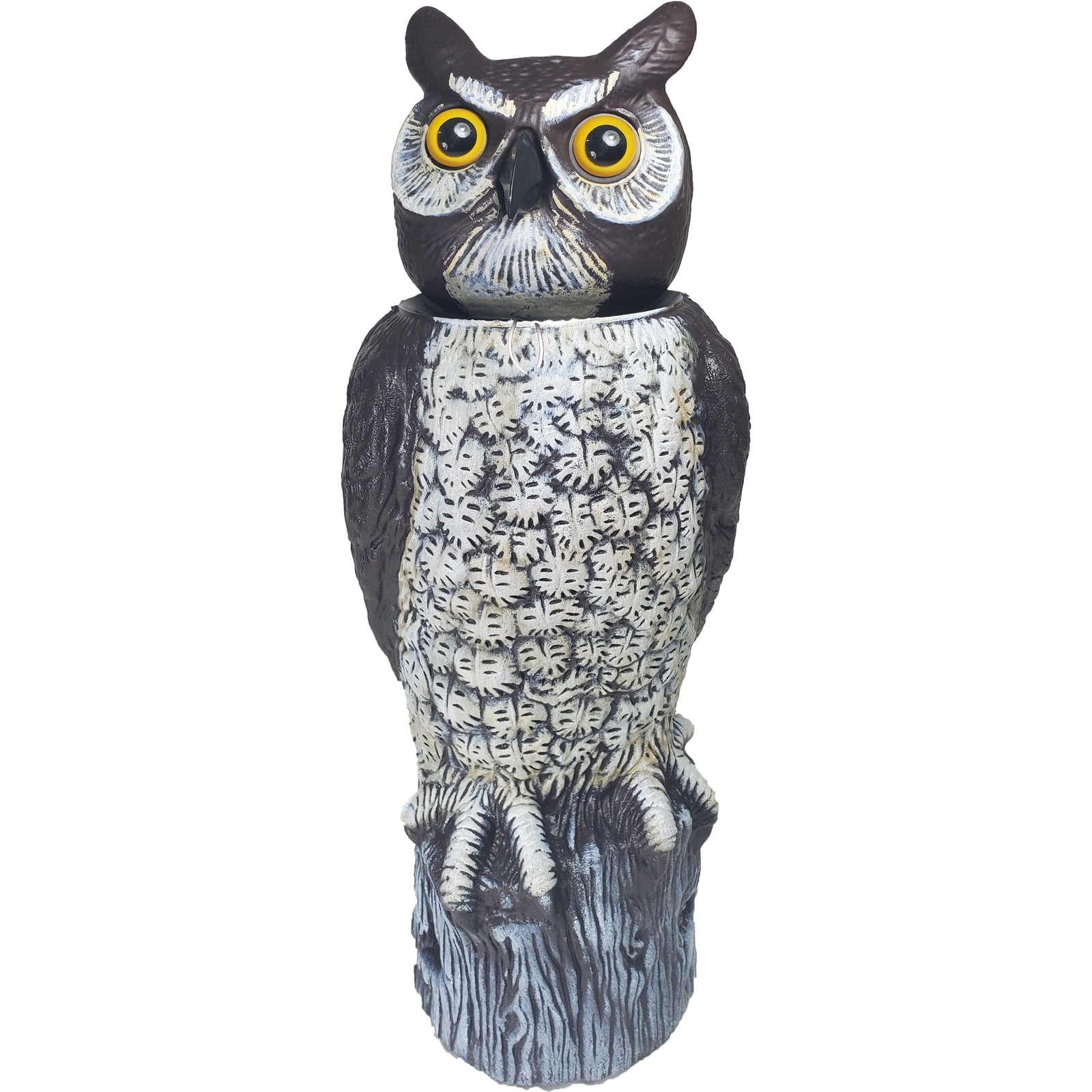
An owl decoy adds visual pressure around the patch. It works best when you move it regularly around the yard. Use it to support your physical barrier rather than replacing the net entirely. Birds might hesitate when they see a predator shape appear in a new spot. However, hungry birds will eventually test any garden that offers exposed red fruit. Net your crop first, and use scares second.
Do Birds Eat Green Strawberries?
Birds generally ignore solid green strawberries. They hunt by sight and look for the specific red color that indicates ripe, sweet fruit. They will strike as soon as the berries show a slight pink blush. You must have your netting system fully secured before the fruit begins to change color.
Can I Water My Plants Through Bird Netting?
Yes. Quality mesh netting allows water, sunlight, and air to pass right through to the soil. You do not need to remove the net to run a sprinkler or water by hand. Just shake the net gently after watering to prevent the weight of the water droplets from pulling the cover down onto the leaves.
How Long Should I Leave the Netting On?
Keep the netting over your patch for the entire duration of the fruiting season. Once the plants stop producing berries for the year, remove the net, clean off any debris, and store it safely indoors.
The point of garden protection is not to fight every bird in your yard. Birds belong in a healthy garden environment. The objective is to stop them from treating your strawberry bed like a free buffet before your family gets to enjoy the first bowl. Pick your berries often. Keep the bed clean of rotting fruit. Lift the netting high, seal the edges tight, and make the cover easy to open. Follow these steps, and the ripest berries will end up in your kitchen instead of scattered across the garden mulch.